The self is a general term used to describe a person that is subjective as there are multiple approaches on how to define it and will vary from person to person. One can go about the self as to how one is being perceived by others or how one perceives oneself. Additionally, it can also be that the self is evident in the minute details of a person such as his/her actions, ideas, behavior, and other aspects. Regardless of how one defines the self, it is known, felt, and believed that the self is inherent, unique, and dynamic. Essentially, one’s self belongs to him/her alone and is continually developing with his/her interactions with the environment. I shall attempt to identify my unique self through this blog post.
In order to better understand the self, the concepts discussed throughout the semester or the course must be synthesized and applied. I shall provide instrumentals that I handpicked that will hopefully aid in processing the following entries.
Weathering the Self
The bioecological theory of human development essentially posits that the development of the self is influenced by the interrelations of the self and the environment through the concepts of Process, Person, Context, and Time. Just to briefly explain each concept, process is the most important concept as this encapsulates the activities and interactions between the individuals and the environment crucial to one’s development; person is concerned with the individual personal characteristics—demand, resource, and force—that sets the context for how other people will perceive the individual; context is subdivided into four interrelated systems—microsystem, mesosystem, ecosystem, and macrosystem—that set where and how interactions occur; finally, time is also subdivided into three types—micro-time, meso-time, and macro-time—that connect the other concepts in terms of relative constancy and change.
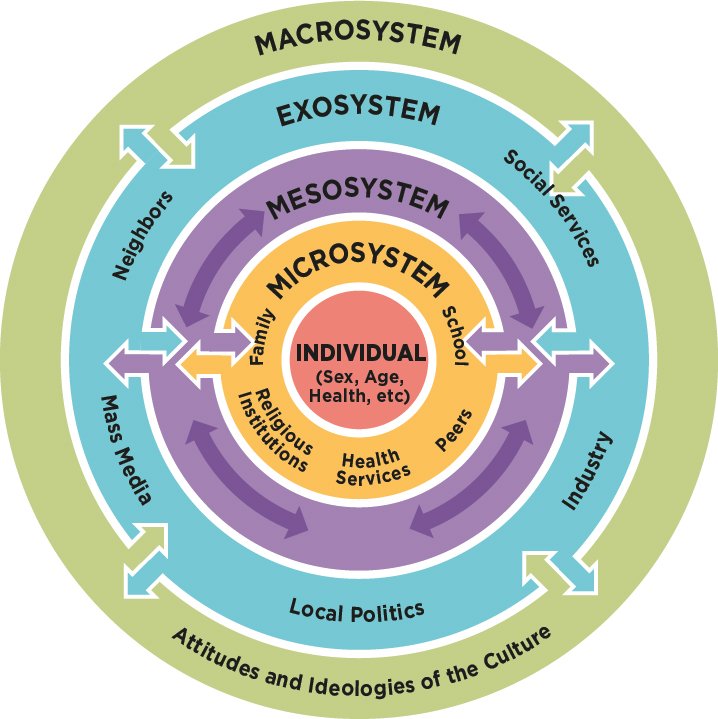
At the core of the development of the self is the concept of proximal process. Proximal processes’ effect on the development of one’s self is affected by the characteristics of the developing person, the environment, and the developmental outcomes over time. Essentially, one must take note of these characteristics as these pave the way for rich and meaningful interactions. Through interacting with my immediate environment of family, friends, and relatives or even myself (introspection) on a regular basis, I am able to not only develop my sense of self but also the other party’s sense of self as well. As I interact consistently with my immediate environment and as long as it is reciprocated, our interactions become progressively more complex which serves as a gateway for the higher integration of one’s self.
The globalization of the world serves to increase the interconnectedness of the people from various parts of the world with one another through the Internet, the media, or the act of traveling itself. With this, the transmission of ideas, meanings, and values of various cultural groups becomes prevalent, bringing along with it both positive such as the creation of a hybrid identity and negative effects such as identity confusion to one’s self. Essentially, being open to the advances of globalization can help further shape one’s self so as long as he/she can maintain balance between his/her global self, developed in relation to outside of one’s immediate environment of family, friends, and relatives, and local self, developed in relation to one’s immediate environment of family, friends, and relatives.

Currently, in an age where technology is rather advanced, most people are easily exposed to the advances of globalization, being the transmission of ideas, meanings, and values, of various cultural groups through the Internet, the media, or the act of traveling itself. Alongside this, people may struggle to maintain a balance between their global identity and local identity which may result in either the creation of a hybrid identity or the problem of identity confusion depending on the person’s capabilities to adapt to a world of rapid changes. With this in mind, being able to know and distinguish one’s local and global identity may help solidify and maintain one’s current identity or form a hybrid identity to accommodate both identities.
Identities are initially created based on one’s traditional culture, composing of mainly language, traditions, values, as these components can foster a sense of self for a person, and can be either on a global or a local scale. Additionally, popular culture supplements one’s identity to keep up with the current trends that are happening both globally and locally as feeling left behind by the current generation may lead to social isolation. Fundamentally, global and local identities are formed based on one’s traditional culture and the current popular culture.
Global identity is the gateway to fostering a sense of belonging with the rest of humankind, both part of and outside of one’s immediate environment of family, friends, and relatives. The current popular culture has a more dominant role in establishing one’s global identity. Hereby, my interests in manga, anime, and Korean or Chinese dramas help me connect better with other people. Although all of these are from various countries, each and every one of them was able to showcase a large part of their culture. Alongside this, I was able to pick up certain practices, values, and even short phrases or sentences that will be of help when it comes to interacting with people who may have the same interests as mine and to further deepen my local self with the addition of such values. Additionally, in these forms of entertainment, there are instances wherein people from different parts of the world would comment their review on a certain episode or chapter based on the content itself and the feelings that they wish to share which reflects their own culture in a way, and this allows other people to further grasp the context of the commenting person or invites a meaningful discourse regarding their views on that episode or chapter which fosters a sense of solidarity between the people in that specific community. Essentially, global identity applies the concept of heterophily and homophily that will help determine which people I can have a better chance of connecting with successfully on a regular basis.
Local identity, on the other hand, is the gateway to one’s inner sense of self. This consists of mainly the specific values, traits, practices, and languages or the traditional culture that is slowly developed within the person once he/she was born unto the world. With this in mind, my main sense of local self is evident in the values of respect and being family-oriented and growing up in a Filipino-Chinese community. Most of my sense of self is really based on the fact that I grew up in a Filipino-Chinese community. Growing up, it was instilled in me that respect is the most important virtue that one must live by and that family must come first before anything else. These values proved to not only be helpful to the development of my sense of self, but also in increasing the chances of connecting with other people outside my immediate environment and in sustaining the relationships that I have already fostered within my immediate environment. Beyond these values, I grew up learning three languages, Chinese, Filipino, and English, which has proved to be useful and essential in expressing my thoughts to anyone that I wish to share with. With my current self, I can say that I can take pride in my being of Filipino-Chinese descent. Essentially, the local self serves to not only complement the global self mostly in communicating ideas in such a way that it is both meaningful and respectful of others but also be the foundation of one’s inner self.
Being both a Filipino-Chinese and an avid lover of anime, manga, Chinese dramas, and Korean dramas, I, simply being myself, am a product of hybrid identity. There exists within me both boundaries that discern which diverse cultural influences should be absorbed into the self and borders wherein various cultures intersect and overlap one another to bring the self to a higher level of integration through the creation of new identities within the self. Essentially, hybrid identity serves as a mechanism of the self to continually develop new identities within the self to not only create or sustain relationships both inside and outside of one’s immediate environment but also cope with the ever-changing world.
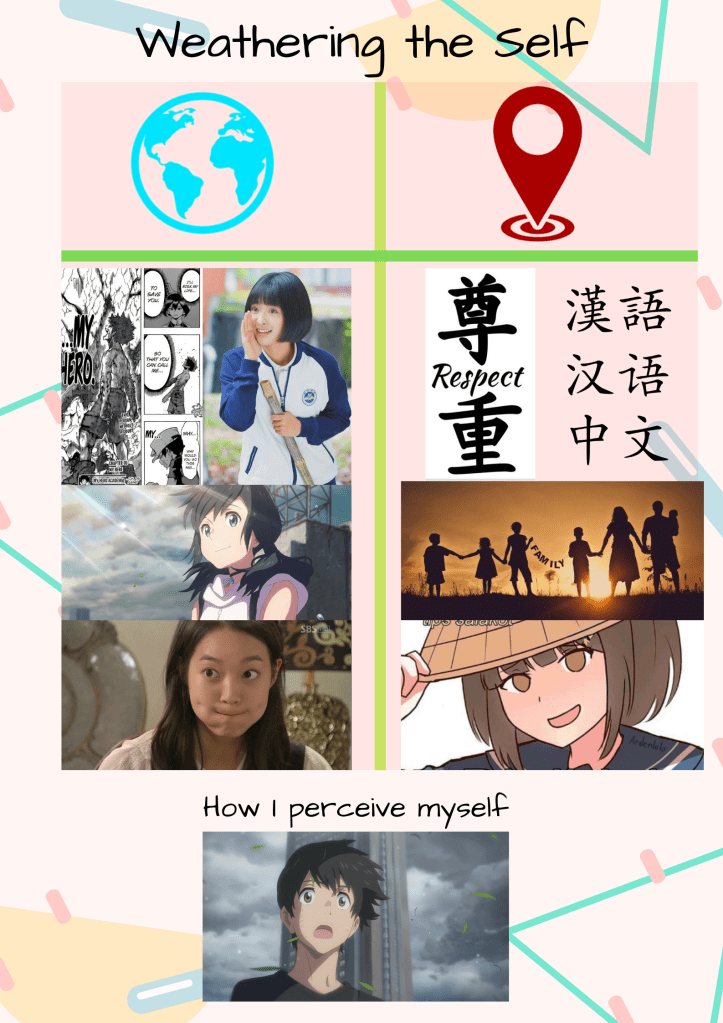
Although people have various interests and ways of maintaining their own sense of self, all of us undergo the same process of doing so through interactions with one another, which in itself fosters a sense of belonging with the rest of humankind. The best way to continually develop the self is through engaging in interactions with one’s immediate environment. Additionally, being open to other’s cultures helps one relate with other people which increases one’s circle of interactions, thus increases one’s outlet to develop the self.
The Three Musketeers of the Self
The self can also be seen as a holistic being with interconnected thoughts, feelings, sensations, and behaviors. With this, the self can then be defined as a set of three partial versions of itself unified by a common theme of maintaining homeostasis within the self and its environment, namely—the thinking self, the feeling self, and the mindful self.

The thinking self explains the inner workings of the mind in relation to its cognition. The main takeaway from the thinking self is the concept of the mind having both System 1 and System 2. System 1 is mainly concerned with automatic responses to a stimulus while System 2 is mainly concerned with thoughtful responses to a stimulus that cannot be immediately responded by System 1. Although both systems have their own functions, one is not necessarily better than the other as both complement each other in maintaining homeostasis with the self and the environment. In line with this are cognitive biases that may make one’s reasoning erroneous such as peak-end rule, duration neglect, representatives, and anchoring and adjustment. Being aware of these biases in reasoning will help one have a more sound flow of reasoning towards various stimuli.
Some day-to-day experiences showcase the various functions of the thinking self. One such example of seeing how my System 1 and System 2 function is through discounts. There are instances wherein a 50% discount will not appeal much to me. However, a buy 1 get 1 free which is essentially the same as that of a 50% discount may prompt me to buy on impulse. After much processing, I will eventually realize that they’re the same and opt not to buy the item unless it is necessary. An instance on peak-end rule is through my prom experience. The peak comes in the form of when my prom date and I shared how we feel towards each other while it ended with a friendly kiss on the cheek. This caused me to remember my prom experience primarily on that despite having much more moments throughout the prom night that are memorable as well. Moreover, stereotypes often show how representations function. It should be noted that stereotypes are prevalent wherever one goes. One such example is me being constantly asked if I could speak Chinese and if we do certain. I would answer them with a yes as I was raised by my family that leans more on the Chinese side than that of the Filipino side. I’m not offended as I know that the people who ask have no intention of offending me, but it just happened that stereotypes exist which could be a starting point of conversation, interestingly enough. Finally, grades and expectations are the most common manifestation of anchoring and adjustments. Assuming that I have a current standing of B+ in a certain subject, I can expect that my grade will either go up, stay the same, or go down depending on how I’ll do for the rest of requirements. I can adjust my expectations for my final grade accordingly with each requirement being returned.

The feeling self explains the various emotions present in a human and its unique features. The main takeaway from the feeling self is the framework on how one responds to a certain stimulus—antecedent condition, cognitive appraisal, and physiologicals and behaviorals. Antecedent condition, also known as either the context or situation, is essentially the stimulus that triggers an emotion. Cognitive appraisal, essentially the thought process or the interpretation of an event, states what emotion will be felt after assessing one’s thoughts and beliefs as these can impact how one feels and behaves. Finally, physiologicals and behaviors are essentially the reactions, expressions, and responses that a person makes towards the stimulus. Furthermore, it should be noted that there are similar frameworks and theories on how emotions are expressed such as the James-Lange Theory, Cannon-Bard Theory, and Schachter’s Two-Factor Theory. Regardless of what theory is used, the expression of emotions or response to a stimulus can be seen in a framework that has an activating of an event, evaluation of beliefs, and fulfilling of consequences.
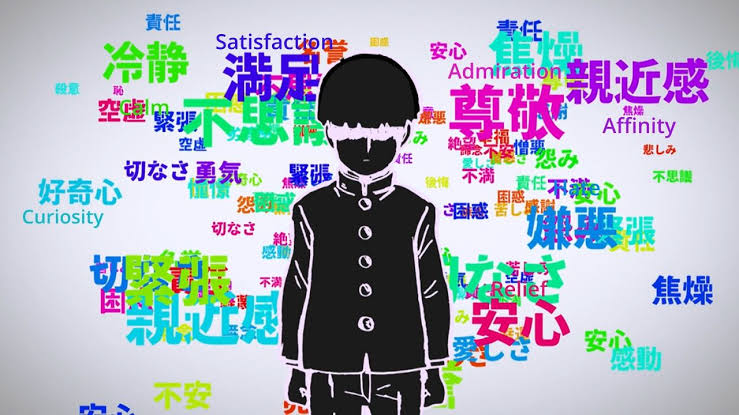
I am fascinated that the five main emotions as discussed by Paul Ekman are—joy, sadness, fear, disgust, and anger—the emotions as seen in Pixar’s “Inside Out”. A concrete application of how emotions work can be seen in this hypothetical situation which elicit multiple responses depending on my dominant emotion at that time. Assume that I’m asked to do something by my parents. If I’m happy, I’ll do what they asked me to do; then ask if they need help in other things as well. If I’m sad, then I’ll do what they asked me to do; however, it won’t be as fast as how I would normally do it as I’m feeling down and unproductive then. If I’m feeling either disgust or anger, then I’ll do what they asked me to do simply because I was told to do so. I would probably also sulk while doing it. Finally, if I’m feeling fear, then I would do what they asked me to do in fear of the repercussions if I did not do so.
The mindful self explains how one ought to regulate his/her emotions. The main takeaway from the mindful self are the emotion regulation and the act of mindfulness as these help one take care of himself/herself better with its application. Mindfulness is the awareness that emerges through paying attention on purpose, in the present moment, non-judgmentally, to things as they are. Emotion regulation is the ability to manage one’s experience of emotion in terms of intensity and duration, and to manage strategically one’s expression of emotion in social contexts. Some examples of these processes are the Process Model of Emotion Regulation itself, the Hydraulic Model, the “Magic” Ratio, and the Broaden-and-Build Theory. Essentially, these aim to contribute a sense of well-being, self-efficacy, and a sense of connectedness to others within a person and to help him/her achieve his/her objectives.
Currently, I remain in complete silence for 10 minutes whenever I want to escape the stress or the responsibilities that I have to attend to. Afterwards, I listen to instrumentals to keep me calm and concentrated under stress while tackling the responsibilities. Besides these, I also exercise on a daily basis which is effective in removing most of my accumulated stress. After learning of the various processes of emotion regulation and mindfulness, I learnt that my self-care routine can still be better improved. Additionally, these can also be applied in my life by focusing more on the positive instead of the negative emotions. However, it should be noted that negative emotions are still a necessity to maintain better maintain homeostasis within myself.
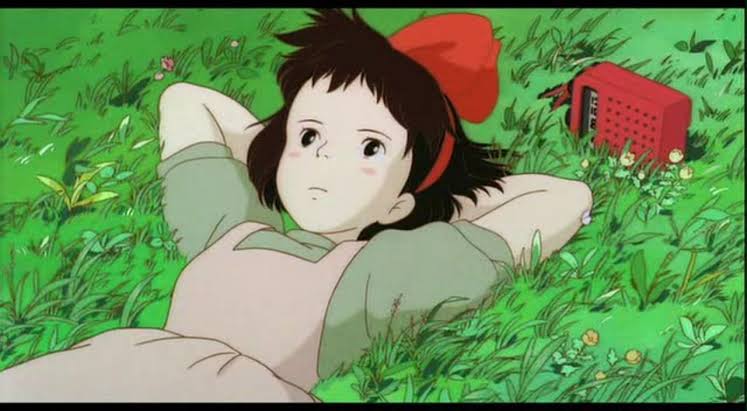
Finally, a lecture on depression further widened my knowledge on its complexities, how I might be able to better comfort or console people who are undergoing a depressive episode, and how practicing certain mindfulness techniques can help one alleviate depression.
With all these, we can better understand how we react to certain stimulus, how we can better take care of ourselves, and how we can better interact with our immediate environment.
Evolutions of the Self
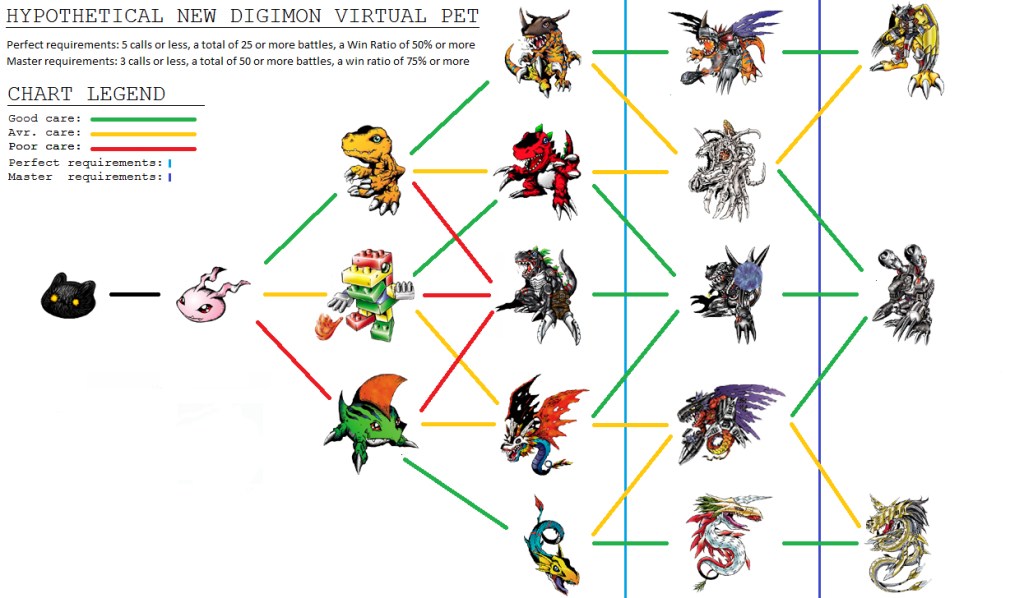
As the self continually develops, it will surely encounter numerous tensions in various facets throughout its life. These tensions serve as a turning point in one’s life as he/she evolves after through each and every trial. One can think of this process as the evolution of Pokémons or the digivolution of Digimons.
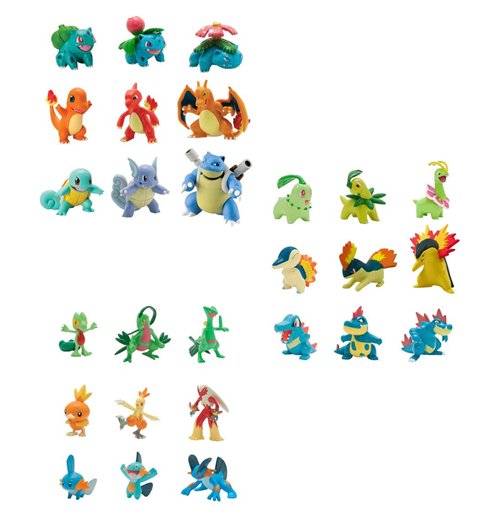
Pokemon 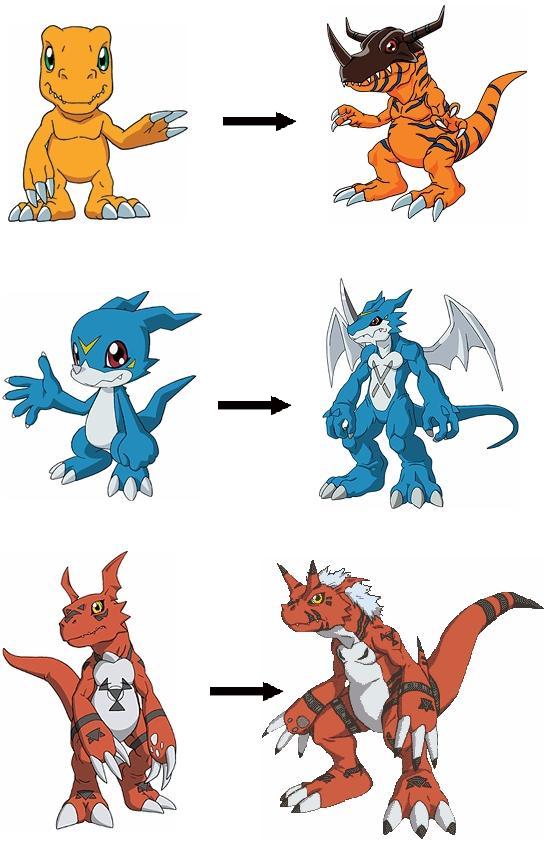
Digimon
The evolving self can be visualized in two different ways. One is focused on a person’s psychosexual development from infancy to adolescence while the other is focused on a person’s psychosocial development throughout his/her whole life. Both frameworks explore how the Id—the innermost desires of the self, the Ego—the cognitive processing of the self, and the Superego—the internalized moral code of the self—are manifested in the various time periods in one’s life.

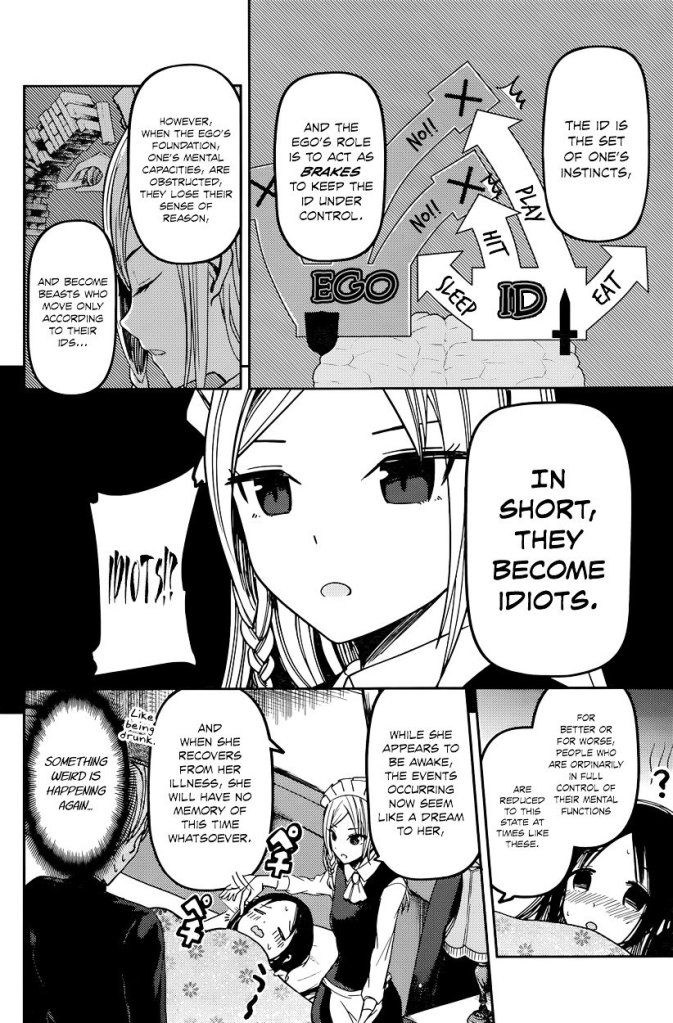
However, I will be focusing more on Erikson’s psychosocial development of the self as it encapsulates a person’s whole life.
Erik Erikson’s psychosocial development consists of eight stages—trust versus mistrust, autonomy versus shame and doubt, initiative versus guilt, industry versus inferiority, identity versus role confusion, intimacy versus isolation, generativity versus stagnation, and ego integrity versus despair. It should be noted that development is shaped by the challenges that individuals face from the social relationships and institutions that they are involved in at each stage of their lives. Additionally, the epigenetic principle states that the stages occur in a sequence and that one has to go through each and every stage chronologically before reaching the final stage. This is similar to the concept of digivolution as certain conditions must first be met before being able to evolve to the next stage.
In Erikson’s framework, the first stage hinges on whether basic needs are consistently or inconsistently met as this determines whether the conflict of trust versus mistrust will be resolved or not. The second stage hinges on whether toddlers realize that they can direct their own behavior as this determines whether the conflict of autonomy versus shame and doubt will be resolved or not. The third stage hinges on whether preschoolers are challenged to control their behavior as this determines whether the conflict of initiative versus guilt will be resolved or not. The fourth stage hinges on whether school-aged children have more opportunities to learn as this determines whether the conflict of industry versus inferiority will be resolved or not. The fifth stage hinges on the choices among numerous values in one’s life as this determines whether the conflict of identity vs role confusion will be resolved or not. The sixth stage hinges on the primary task of finding a mate as this determines whether the conflict of intimacy versus isolation will be resolved or not. The seventh stage hinges on the creativity and productivity of an adult as this determines whether the conflict of generativity versus stagnation will be resolved or not. Finally, the eighth stage hinges on the wisdom, spirituality, and tranquility of an elder as this determines whether the conflict of ego integrity versus despair will be resolved or not.
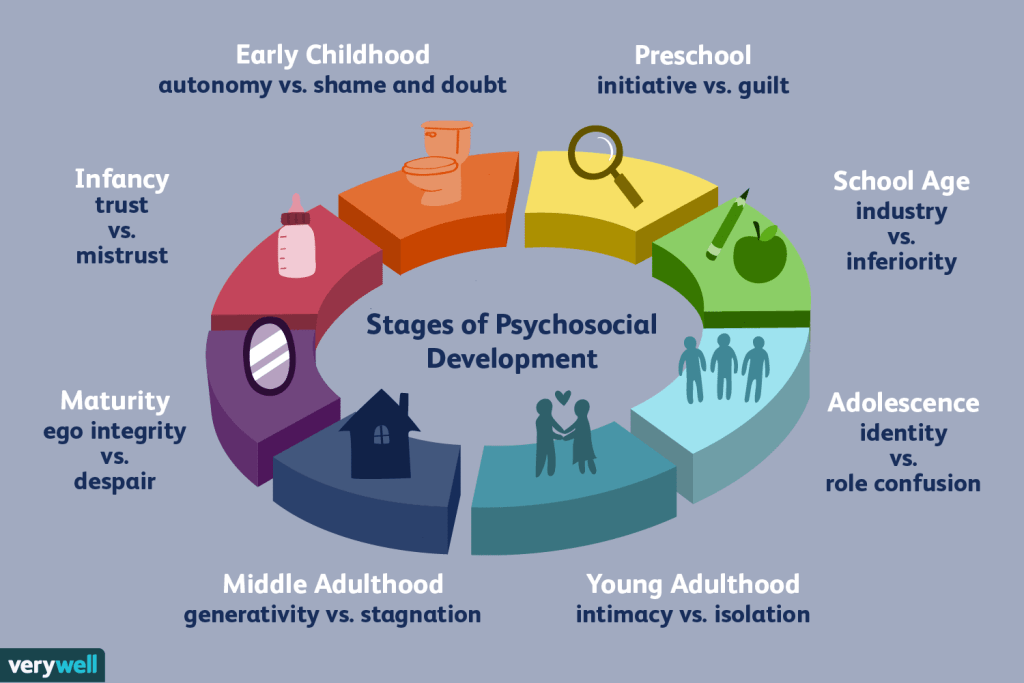
Who I am today is due to the fulfillment of certain psychosocial stages. Currently, I am in the fifth stage wherein I am continually trying to better understand or develop the self. I am keen on identifying what my values are, what I enjoy doing, what I don’t enjoy doing, what are my thoughts and opinions regarding certain things, and what I choose to believe in. For a brief review on what happened in the earlier stages, I asked my parents to help me elaborate on how I was able to fulfill the conditions needed to proceed to the next stage. For the first stage, as a baby, I was given the basic needs such as food, clothes, shelter. Moreover, I was given the love, care, and more emotions essential to the development of trust of the baby towards his/her parents. On the second stage, as a toddler, I was given the freedom to explore my surroundings and do whatever I want. My parents were responsible enough to intervene whenever I would be put in harm’s way or I’m about to do something inappropriate. As what every parent might do at this stage, I received my toilet training which according to Freud is when my ego began to develop. Overall, my parents have given me the liberty to express myself through my actions and emotions which constitute my behavior. On the third stage, as a preschooler, I have developed most of my capabilities to act and react. However, I struggled in the first few days as a preschooler to act and react appropriately to certain situations. Most of the time, before going to school, I would cry as I did not want to be separated from my parents. It will take me a long while to calm down and actually start listening in class. There are also moments wherein I would just cry while class is ongoing simply because I miss my parents already. After some time, I eventually learnt to keep my crying under control so that I can focus better on my studies, thus showing that I am capable of controlling my behavior. On the fourth stage, as an elementary and high school student, I was given more opportunities to grow not just academically but also in other aspects such as sports and music. I developed a hobby of reading of almost all genres of books with fiction being my favorite one. Besides this, I developed a passion for running which prompted me to join the track and field team of both my junior and senior high school. As for music, I’ve learnt to play at least the basics of the piano. This is mainly a hobby as I did not pursue this field that much unlike sports. Essentially, my parents have given me not only learning opportunities but also a mindset to make full use of such opportunities. For the following stages, I’m not sure of what the future holds. However, I can always prepare for it by striving to get the most of today or the best version that I can be on a daily basis.
For a concrete explanation on how important these developments are crucial to one’s life, take the case of the feral child who is neglected and isolated from the rest of humanity. After watching a short clip on that, I realized that doing so gravely affects one’s capabilities of interacting with people once exposed to them. They are extremely behind in the psychosexual/psychosocial stages with regards to the people in his/her same age group. But, a more pressing issue is that they aren’t given the most basic form of interaction crucial to building their own sense of self. Once they are exposed to the world, they’ll have a very hard time catching up to the people of their age as they are already relatively far in terms of the stages that they’ve undergone. This shows that the development of the self is a lifelong process with each turning point paced according to one’s age. Finally, these stages of development serve as a guideline on what one ought to do for the integration of a better self in that certain period of time.
On a side note, given that various tensions arise every now and then in one’s life, the self has developed coping mechanisms which are both universal as every person does this to a certain extent and unconscious as every person does not willingly do so. Some defense mechanisms include repression, reaction formation, fixation, regression, rationalization, denial, displacement, sublimation, projection, identification, compensation, and intellectualization. There are more other defense mechanisms available for human beings to make sense of their reactions. Each of these defense mechanisms have their own respective functions, but it is interesting that all defense mechanisms have a sense of repression to aid their main function.
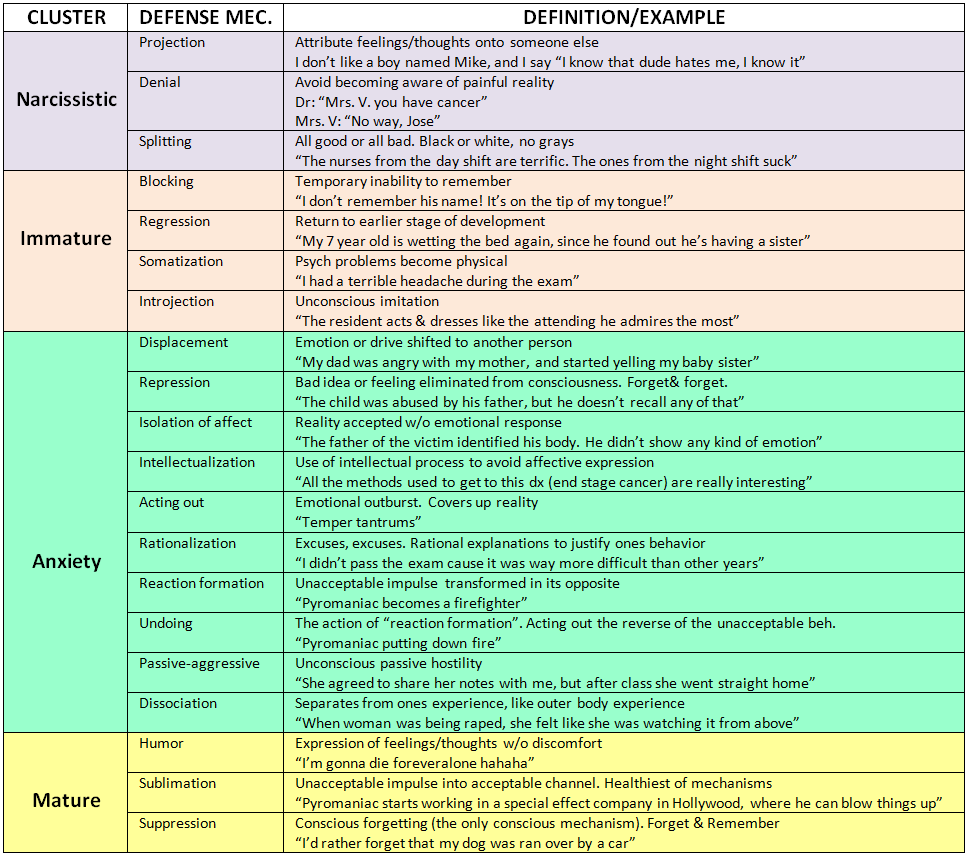
I find myself guilty of some defense mechanisms such as rationalization that everything will all be alright in the end (final grade) whenever I would get a low score on a quiz, regression whenever the academic workload starts to pile up as I tend to escape them by immersing myself in other trivial matters which is similar to me playing or not doing assignments during elementary and junior high school, and sublimation whenever I feel too stressed as I let the stress out by exercising. Additionally, this struck me as I myself deny that I do such things, which is a defense mechanism in itself, and my view on people who do such things to make up for their incompetence isn’t that pleasant either. One such example is when someone who got a low score in an exam and would complain that his/her score is low despite not doing adequate measures to prepare for the exam. However, with this lesson, I realized that everyone does some form of defense mechanism, and I should understand that it’s a perfectly natural human reaction to change my perception on it.
With all these, we can now better understand what is crucial to the development of our own unique selves in each and every moment of our lives.
How to Further Develop the Self
The need for the self to differentiate itself from the rest of the people essential to its development becomes evident as the self reaches adolescence. Alongside this, the self also develops its identity by identifying itself through a crowd or being with cliques closely similar to its characteristics. Finally, the self also identifies and develops itself through sex, gender, and sexual orientation. Essentially, this serves as a guide on how to further develop the self in one’s age of adolescence.
Although the self has been developing with each and every interaction with its environment since birth, there comes a need for individuation when the self reaches adolescence to separate itself from the self of the parents who are its current main identity agents and be branded as unique. In order to successfully do so, the adolescent de-idealises his/her parents by seeing them as human beings that are susceptible to errors just like anyone else. However, in order to maintain a healthy familial relationship despite the process of individuation, the adolescent must be able to express individuality and connectedness towards his/her family. It should be noted that such a process can be met with some resistance or opposition from the parents through their use of psychological control which consequently affects the adolescent’s self development and well-being.
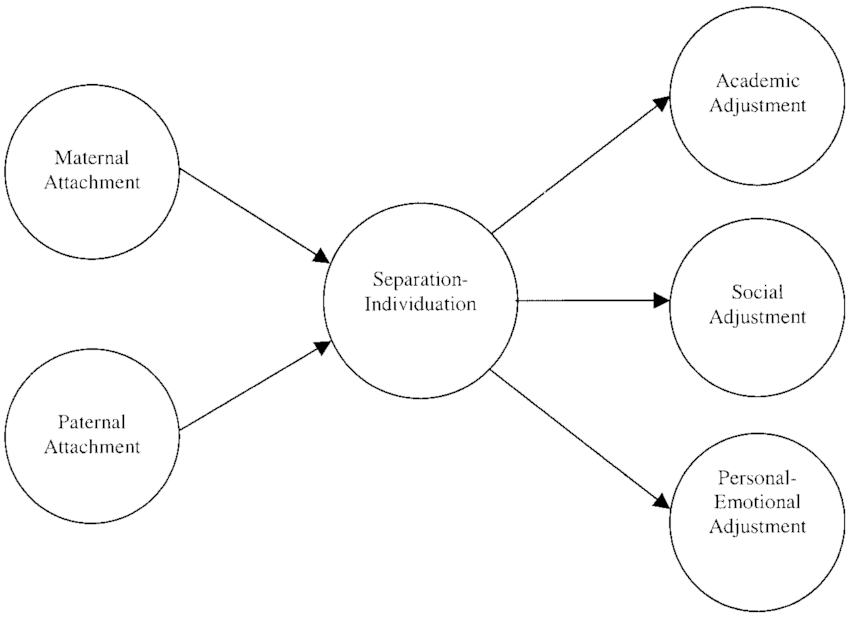
I am fortunate to have parents that support the process of individuation as they encourage me to think and to make decisions for myself. The various opportunities for me to grow as stated above were purely voluntary on my part. Before signing me up on these activities, my parents left the decision up to me as they want me to explore the various things available to me on my own. In other words, they are leaving it entirely up to me on how I want to develop myself instead of imposing on me what they want me to do. Should they do so, it does develop my self, but just not my unique self as it is still their idea to develop the self instead of mine alone. Throughout the time that I’m developing myself during adolescence, my parents were there to support me in whatever means possible. They offered me advice on how I should go about certain things which is still being done even now. Others may not be so fortunate as I am as they may have rather strict parents who strongly enforces psychological control on them or force upon them to do certain things for development.
With the child’s transition to the adolescent stage, his/her interaction with peers—cliques or crowds—increase as his/her interaction with parents or generally adults decrease. Focusing first on cliques and crowds, these two are structurally different with their own functions. Cliques are defined by common activities and friendship which are essentially the adolescent’s circle of friends. On the other hand, crowds are reputation-based and stereotyped individuals who may or may not spend time with each other. They are essentially a representation of a group of people in a certain social context. Crowds can be classified as caricatures, channels, and contexts. Each classification has its own function in the development of social relationships among numerous individual selves. Additionally, they also aid in the development of the identity of the self.
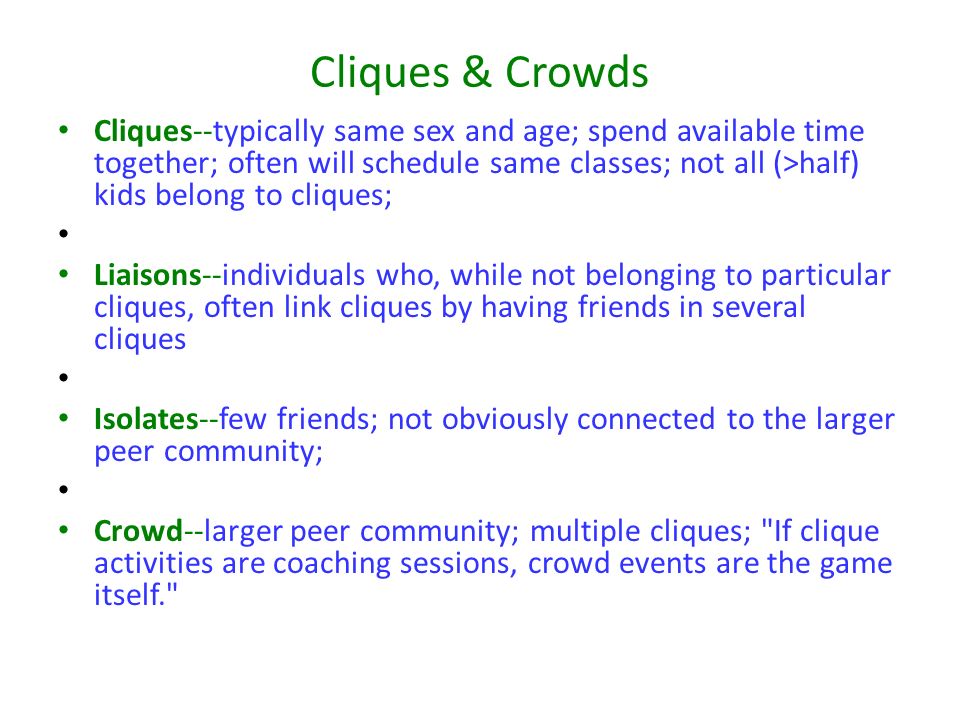
Similar to that of my parents, I am thankful to have found a group of friends who share the same dispositions as I have which are my clique. We all are driven to be the very best that we can be in our academics. With this common unifying drive, we’ve gotten closer to each other to the point that we got to know each other better. Additionally, they serve as my support system whenever I would become unmotivated or stressed regarding academics. They are the ones who help me keep at doing academics. Through these, we also get to better know ourselves, especially on how we interact and connect with others. I identify myself as part of the studious (or nerds) in the larger crowd of a school context. It should be noted that there are more possible crowds that I can identify with depending on the context. However, I shall focus on the context of a school. They are typically stereotyped as the people who barely have any social life as they have dedicated most of their time to academics. With this, they are also connotated with the word “smart”. People would go to them for group studies or to some extremes such as making requirements for a certain subject with the exchange of something of equal value. Although this is considered cheating, it is a sad reality that is happening all over the world. As for my case, I have not encountered such instances yet. However, I’ve encountered people ask me if I’m free for a group study. What intrigued me the most was how crowds can be seen as caricatures, channels, and contexts. Although they are indeed tangible realities that are happening in the world, this is one of the rare times that such words were easily able to wholly capture what currently most adolescents like myself are describing or talking about regarding the concept of crowds. Little did I know that these are actually the determinants of the people I interact with or the social relationships that I’ve formed. These will also determine the people who I’m likely to interact with in the future as I’m more drawn towards people like me unless the desirability to connect with someone unlike me is strong. With my identified clique and crowd, these further show an aspect of my self.
Eventually, there comes a time in one’s life wherein he/she is teased for acting more like his/her opposite sex. This may potentially impact his/her perception of the self and its possible social roles which is why studying or learning what sex, gender, and sexual orientation is important. Although sex and gender are often used interchangeably, they are completely distinguishable terms from one another. Sex is based on one’s biological features while gender is based on one’s own or society’s perception of himselfhimself. It should be noted that the contemporary structure of society on sex and gender isn’t as simple as a binary model of male and female or masculine and feminine. It is a rather complex one that is structured using a sexualities matrix which accounts for sex, gender, and sexual orientation. In this model, sex consists of male, female, intersex, and trans. Gender consists of masculine, feminine, androgynous, and undifferentiated. Finally, sexual orientation consists of hetero, homo, and bi. One can identify himself/herself by choosing the most appropriate option from each category in the sexualities matrix. However, this is best done through the use of a continuum instead of exact points on one’s sex, gender, and sexual orientation. These are essential to identify as these contribute and influence social interaction and identity formation. Additionally, these may also lead to stereotype, prejudice, and discrimination among the individual.
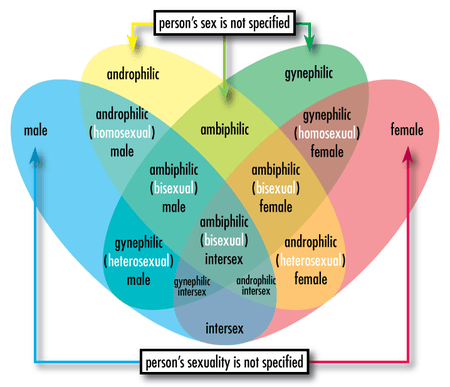
I identify myself as male, masculine, and hetero based on the sexualities matrix. For male, I am biologically identified as a male, and I have no plans to change it under normal circumstances as I am comfortable with myself. With this, I was raised to follow the social expectations of a male which is being masculine and liking someone of the opposite sex should the time come. This was strongly reinforced by my traditional Chinese background as deviating from the tradition may be shunned upon by other family members. However, my parents are generally open to the idea of me deviating from the expected should it happen sometime in the future. I’m thankful for their openness to such an idea. Essentially, there are multiple possible combinations of such, but each and every combination deserves equal respect from everyone.
With all these, we can now better understand what is crucial to the development of our own unique selves, social relationships, and identity in the adolescent to early adulthood period.
The Actions of the Self
The self develops its uniqueness as the person ages wherein the person begins to explore more of his surroundings and detach himself/herself from his/her roots, the family. During that time, the self does not only acquire its unique self but also its habitus which ultimately shapes the self’s actions in his/her daily life and how one sees himself/herself in a structured context such as society. For me, habitus is the most concrete way of defining the self as one’s actions speaks a lot for his/her own self.
Habitus, according to Pierre Bourdieu, are “systems of durable, transposable dispositions, structured structures predisposed to structuring structures,” Admittedly, habitus is a rather complex term to grasp as it nearly encompasses everything based on how a person sees a certain object, event, or actions. They manifest in one’s dispositions, competencies, lifestyle preferences, and possibly more aspects. Essentially, my habitus summarizes or encapsulates the various identities of my self as one can see most of who a person is based on his/her actions.

Focusing on habitus as a disposition, one acquires this informally through social interactions by processes of imitation, repetition, role play, and game participation initially done during early childhood association. Since disposition is a prevailing tendency, mood, or inclination to unconsciously act towards, one can understand habitus as a person’s taken-for-granted, unreflected—hence largely habitual—way of thinking and acting that generates perceptions (understandings), expectations (attitudes), practices (behavior) that reproduce the social milieu or structures that birthed it. However, it should be noted that a person’s action is merely influenced by habitus thus inclining them to act and react towards a certain way, but not predetermined by habitus itself. Additionally, a person’s behavior, mainly the human actions, is constituted by external structures which means that it can change depending on the current structure and standards of society which one operates in.
To understand society, one must understand its individual components of the individual’s family, the individual’s capital, and the field the individual operates in. The family is the primary socializing force which have child rearing attitudes and practices that vary by social class that form the collective habitus. It is an intergenerational habitus as the family members adjust to the other family members’ thoughts and actions. With the family comes one’s initial source of capital and power that provide possibilities and constraints for the development of the self’s human actions or the habitus. These capitals come in the form of power or resources which can be economic, social, cultural, or symbolic. Finally, fields are spaces or environments occupied by individuals or groups that does the same activity. These are often structured in terms of power relations thus the existence of competition for capital or power essential to the betterment of one’s life. Everyone included in a certain field has his/her part to transform or preserve the existing power/social hierarchy. Thus, an individual’s capital can potentially alter the power/social hierarchy that he/she is faced with. These are all primarily evident through one’s speech as it is the main form of communicating one’s habitus to others.

Economic Capital 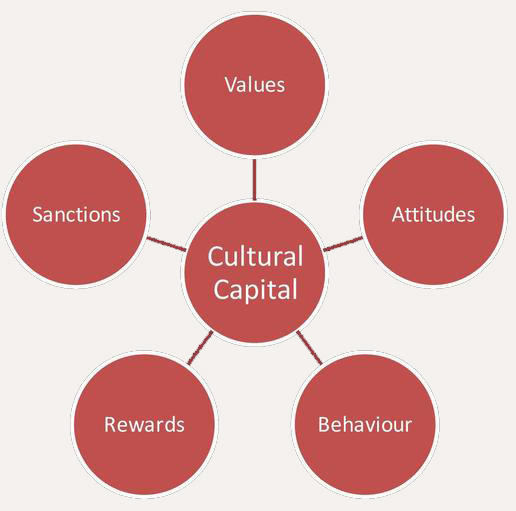
Cultural Capital 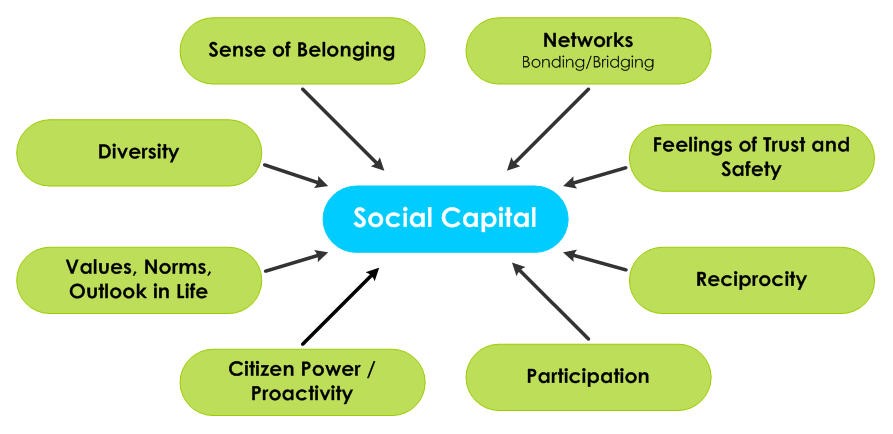
Social Capital 
Symbolic Capital
With the concept of habitus in mind, I can identify my prevailing identity, my disposition towards certain things such as lifestyle, habits, and more, with respect to the fields that I operate in. I choose to identify two fields that I operate in which are a middle-class, Roman Catholic, Filipino-Chinese family or my primary field and the student community of Ateneo being my secondary field. My family serves as the main source of my capitals which provides me all the four types of capitals while the Ateneo community serves as an extension to my social and cultural capital.
In today’s society or ever since then, families are everyone’s initial source of capital for the development of his/her habitus. In my family, it has been mainly structured since then that the hierarchy is heavily grounded on respect for elders primarily evident in Chinese families, meaning that our hierarchy is built on a symbolic capital. After symbolic capital, it can be structured according to economic capital, meaning that one has power equivalent to the amount of money or resources he/she can accumulate. Although cultural and social capital don’t have much effect on my family to form a hierarchy based on them, cultural capital is given more emphasis as this includes the level of education that the family members have undertook. As one can observe, even the capitals have their own hierarchy that is heavily dependent on the context that they are being used in. The overall mood that I am getting from my family (including relatives) is that of a serious or even tough love, but it’s still love nonetheless. A main reason that can best explain this is that hierarchy in my family is based on the family member’s age as the older he/she is, the more experience he/she has accumulated than others or the prevailing ethnicity in my family.
However, in the student community of Ateneo, the hierarchy of capitals are reversed, meaning that social capital is the most powerful and symbolic capital is the least powerful. In this community, almost everyone is near each other’s age which makes respect for elders the least effective basis in establishing a hierarchy within it. As for economic capital, most in the community are still studying which essentially puts them in the same field in terms of economic resources (excluding the family’s economic resources) unless he/she has his/her own ways of earning money which makes a hierarchy on economic capital rather ineffective. Instead, hierarchy is mainly based on cultural and social capital. Cultural capital focuses on one’s style of speech, dress, etc. that constitute one’s identity or is reflective of his/her habitus. On the other hand, social capital bears more gravity as this focuses on the groups or cliques that one interacts and identifies with, reflecting his/her habitus. Hierarchy in these capitals are structured mainly on social capital or popularity of groups and is amplified with cultural capital or prejudices that each group has towards one another.
In my family, I am the eldest among the siblings. This essentially puts me in the middle of a family of five. However, with the inclusion of first degree relatives and their own capitals, I am placed further down as we (my family) don’t have much resources when compared to them. Given the hierarchy and the lack of resources to challenge or change the existing hierarchy, the best option would be compliance to the ones above in the hierarchy. However, it should be noted that this compliance is not out of force, but rather out of love and respect to the belief since then. Although there are some hints of it being forced. Alongside the sufficient economic resources that my family has, I’ve learnt to be content with the little things that my family has now. Being able to study, eat, and have a shelter is more than enough. With this, I was also unconsciously molded to be thrift and to buy only the necessary things. In line with the Roman Catholic view, I’ve aspired to live a simple life without having much material possessions but having many memories of all kinds to look back to. With being content, I’ve also learnt not to be envious of the things that others have, which I don’t have. Should there be something that I want, I learnt to make full use of all the resources that I have at hand and do my best to achieve/attain it. Essentially, these are the core values in my identity.
Additionally, in the student community of Ateneo, I can say that I belong to the middle section as well or the average student wherein he/she has sufficient time dedicated to academics, friends, and family. The ones in the higher section are the popular ones which usually goes to parties and other events despite having academic requirements. They essentially are the cool and possibly rich kids in the campus. On the other hand, the ones in the lower section are the awkward ones which usually focus on gaming. They essentially are the loners who love or may not love to spend time alone. Although they are stated with generalizations based on most people, I am in no way saying that one group is better than the other. I am saying that each group has their own preference in a lot of aspects, and each merits respect despite the existing prejudices regarding each group. I strive to be in the middle of being awkward and cool, or average in most things as I believe that it gives me a well-rounded identity of myself.
Given that speech is the habitus’ mode of communication, imparting knowledge or my experiences to others essentially shows my habitus and my social position in a given field with much critical analysis done by the recipient. Additionally, since the well known line of “actions speak louder than words” applies, I can show my habitus by living out the things that I believe to be central to my identity or life.
With the discrepancy of the capitals or the habitus that each person was raised in, there will be instances wherein one can connect and understand others easily as they possibly share a lot of similarities in their dispositions. There will also be some instances wherein it requires one extensive effort, patience, and understanding towards others with different dispositions to form a connection between one another. However, despite doing so, there still lies the possibility that they really won’t connect with one another as the differences in dispositions are simply too much or not conducive to form a connection. Intersectionality comes in shaping the identities, dispositions, or habituses of each and every person. One cannot fully understand the habitus of other individuals without taking into consideration their race, class, gender, and other social constructs for identification. Various combinations of such creates various identities or habituses. Additionally, the social structures are present to help one identify where exactly are they in society. They could belong to the upper half or the lower half if it is structured based on economic capital. This shows that social structures are hypersensitive to context. With this, the members belonging to a certain structure are also sensitive towards the thoughts or prejudices that other people of the same structure have towards them. Thus, one should be aware of the common prejudices towards a certain group, and be cautious enough to interact with a member of a certain group so as not to instigate tension between one another. This is essential to establishing a connection with other people.
The End of the Dream
At the end of the day, we will always have our selves to turn to and be thankful for. It’s up to each and every one of us on how we choose to spend our lives and on each decision we make. What the ultimate goal of your life is. Who you constantly strive to be. Who you are right now. I believe this is the most important thing that we must identify daily as this not only takes into consideration one’s past but also prepares him/her for who he/she can be in the future. As the future is not set in stone, who we are right now may not be who we expect to be tomorrow as the self is an ever-changing person. To ensure that we acknowledge all the things that we’ve done, we make stories of ourselves. These stories serve to provide meaning and purpose to our very existence. As we continually to write a page of our stories daily, we realize that there’s so much that life is giving to us. Our family. Our friends. Our talents. Our hopes. Our dreams. Our thoughts. Our opinions. Our own selves. It is up to us to write our future with the very best that we can do today.
I am Jacob Gonzales Lim. A male, masculine, hetero person. Born into a middle-class Filipino-Chinese family. The eldest of the three siblings. A student of the Ateneo. Striving for a balance in academic excellence and social life. A person that believes in respect above all else. An avid lover of anime, manga, Chinese dramas, and Korean dramas. Loves to read books, especially fiction and mathematics. Can play the piano. Was part of the track and field team. Exercises regularly. Have lots of good and bad memories. Remembers the prom date memory clearly. Reacts accordingly based on how I feel. Loves instrumentals as they’re relaxing. Was raised properly by my loving parents. In denial of the various defense mechanisms I use. Have friends that help build each other up. Hopes for everyone to be successful in their chosen path. Dreams for a simple life now and in the future that is to come.
We all are continually exploring ourselves. We are growing with each and every interaction we engage in. We are in a lifelong commitment to understand and develop ourselves.

 Jacob's Journey